Home Renovation Cost per Square Meter in 2026: Full Breakdown
Renovation cost ranges per square meter in 2026, the budget lines people forget, and how to build a budget that does not spiral.
The first question in almost every renovation is the same: how much will it cost? Unfortunately, a single number such as "Rp4 million per square meter" is almost always misleading. Renovation cost depends on the area touched, the level of damage, material specifications, location, and who does the work.
This article gives 2026 cost ranges per square meter, the components people forget in the budget, and a method for building a budget you can defend.
What Determines Home Renovation Cost
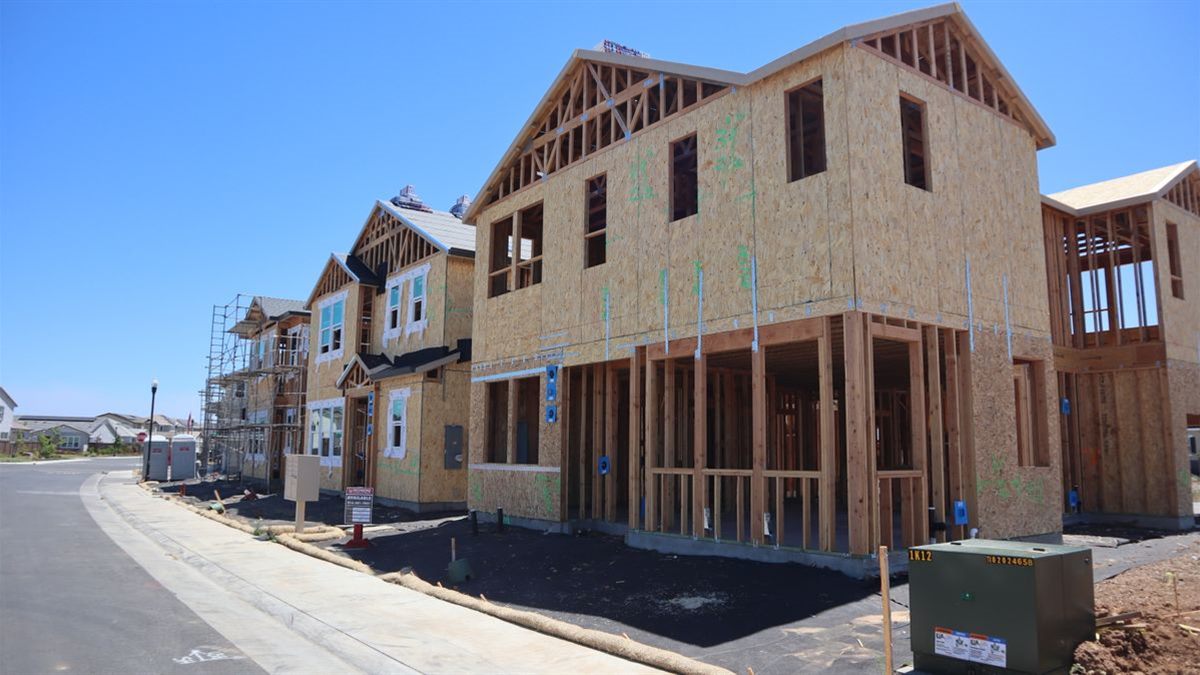
Before looking at numbers, understand the variables. Two homes of the same size can differ in cost by up to two times.
- Area touched. A partial renovation is far cheaper than a full one.
- Level of damage. Demolishing walls and replacing structure is very different from repainting.
- Material specification. Local and imported tiles can differ by three to five times.
- Location. Labor and material delivery cost more in large cities.
- Labor system. Daily workers, lump-sum contractors, or a supervised contractor.
- Duration. Delays add equipment rental and worker accommodation costs.
Renovation Cost by Level of Work
The figures below are indicative ranges for residential homes in major Indonesian cities in 2026, excluding land purchase and furniture.
- Light renovation (finishing): Rp1.5–2.5 million per m². Covers paint, partial tile replacement, door repairs, and simple electrical work.
- Medium renovation: Rp3–4.5 million per m². Covers removing non-structural walls, ceiling replacement, bathroom repairs, and adding space.
- Heavy renovation: Rp5–8 million per m². Covers structural changes, adding floors, roof replacement, and full mechanical, electrical, and plumbing work.
For a 100-square-meter home, a medium renovation lands around Rp300–450 million. If that feels far from your expectation, there is usually structural work you have not counted yet.
Budget Lines That Are Often Forgotten
Budget overruns usually happen not because materials got more expensive, but because work was never in the budget from the start.
- Demolition and debris removal. Can reach 5–10 percent of the total.
- Permits and approvals. Especially if you add floor area or change the facade.
- Temporary water and electricity. Often ignored when the house is vacated.
- Hidden repairs. Leaking pipes or rotten framing appear only after demolition.
- Contingency fund. Set aside at least 10 percent of the total budget.
- Final cleaning and moving. Especially if you stay in the house during work.
How to Build Your Own Renovation Budget
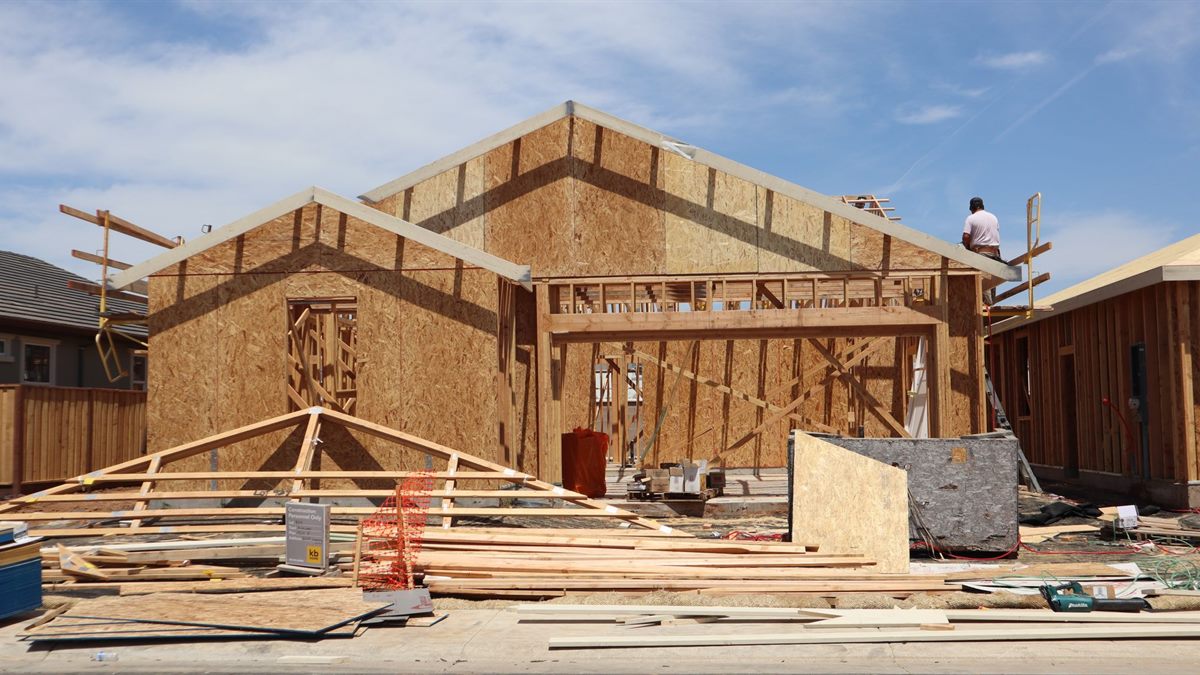
A renovation budget is not a contractor-only document. You can build a simple version to control spending.
- List work room by room. Do not start from a single square-meter rate.
- Calculate quantities. Wall area for paint, floor area for tiles, pipe length for plumbing.
- Set specifications. Brand, size, and material type.
- Find unit prices. Get at least three quotes from shops or suppliers.
- Multiply quantity by unit price. Add labor and equipment.
- Add a 10 percent contingency. Keep it as a separate line.
This six-step budget is usually enough to compare contractor quotes fairly. For a detailed breakdown of wet work, see our guide to bathroom renovation sequence and costs. If the exterior is part of the plan, budget it with our tropical facade design guide.
Saving Money Without Sacrificing Quality
- Keep structure that is still sound. Structural change is the most expensive line.
- Use quality local materials. The price difference can be 30–50 percent.
- Work in stages. Prioritize the areas with the biggest impact.
- Compare at least three quotes. Make sure the scope of work is identical.
- Buy major materials yourself. Tiles, sanitaryware, and paint.
- Avoid design changes mid-project. Small changes trigger rework.
For a neutral reference on construction practice and budgeting, see the National Association of Home Builders and the U.S. Department of Energy guide to energy-efficient home design.
A Realistic Renovation Timeline
Duration depends on scope. For a 100-square-meter home with a medium renovation, use this as a guide:
- Preparation and demolition: 1–2 weeks.
- Structure and walls: 2–4 weeks.
- Mechanical, electrical, and plumbing: 2–3 weeks.
- Finishing: 3–5 weeks.
- Cleaning and handover: 3–5 days.
Total is roughly 2 to 3.5 months. Rainy weather and material delays can add 2–4 weeks.
Common Mistakes in Calculating Renovation Cost
- Using a square-meter price without clarifying the scope of work.
- Leaving out demolition and debris removal.
- Choosing the cheapest quote without checking material specifications.
- Not preparing an emergency fund for hidden findings.
- Paying too large a down payment before any progress.
Conclusion
A renovation cost per square meter is only useful when paired with a clear scope of work. Start with a room-by-room list, calculate quantities, set specifications, then compare quotes on the same scope. With a detailed budget and a 10 percent contingency, a renovation is far easier to control.
Frequently Asked Questions
How much does home renovation cost per square meter in 2026?
Light renovation is around Rp1.5 to 2.5 million per square meter, medium renovation Rp3 to 4.5 million, and heavy renovation Rp5 to 8 million. These figures exclude land and furniture.
Can renovation costs be paid in installments?
Yes, usually through staged payments to the contractor based on progress rather than bank installments. Some banks offer home renovation loans secured against the property.
How long does it take to renovate a 100-square-meter home?
A medium renovation usually takes 2 to 3.5 months, depending on weather, material availability, and how quickly design changes are approved.
What is a renovation budget and is it mandatory?
A renovation budget is a cost plan. It is not legally required, but it is strongly recommended so you can compare quotes and control spending.