How to Choose a Sofa for the Living Room: Size, Material, and Comfort
Measure first, understand frames and fillings, and choose a fabric that survives humidity and daily use.
A sofa is usually the most expensive piece of furniture in a living room, and the one you sit on every day. Choosing badly is costly: a sofa that is too large blocks the room, one with the wrong filling loses shape within a year, and the wrong fabric can trap heat and moisture.
This guide covers measurement, frame and filling, fabric choice for a tropical climate, and how to test comfort before you pay.
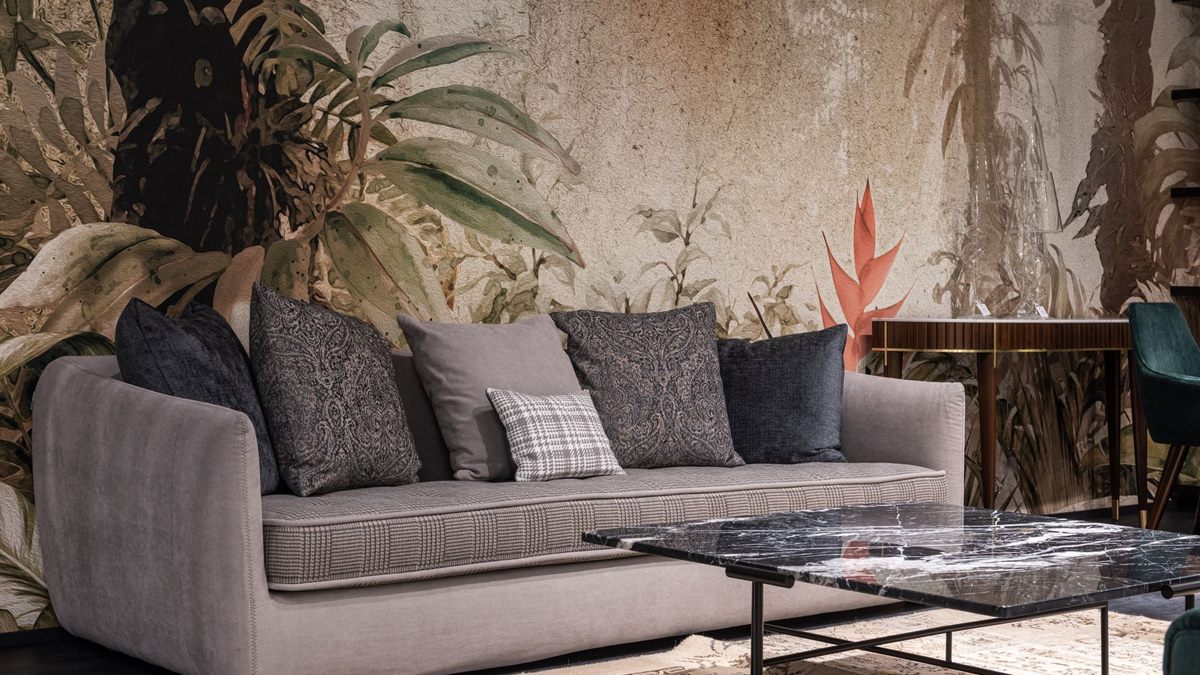
Start with Measurements, Not Styles
Before browsing, measure four things.
- Wall length where the sofa will sit.
- Room depth so you know how much walking space remains.
- Door and hallway width so the sofa can actually be delivered.
- Lift and stair dimensions for apartments or upper floors.
Leave at least 60 centimeters of walking space in front of the sofa and 45 centimeters between the sofa and a coffee table. In a room under 3 meters wide, a two-seater is usually the better choice.
Standard Sofa Sizes
- One-seater: 80–100 centimeters wide.
- Two-seater: 140–170 centimeters wide.
- Three-seater: 190–230 centimeters wide.
- L-shaped: 230–280 centimeters on the long side.
Measure the depth too. A deep sofa feels luxurious but can crowd a narrow room. A depth of 85–95 centimeters works for most Indonesian living rooms.

Frame Materials
- Solid hardwood: kiln-dried teak, mahogany, or rubberwood. The most durable choice.
- Plywood: good and stable if thick enough.
- Particle board: cheapest, but weakens in humidity and is not ideal for long-term use.
- Metal frame: strong and slim; check for rust protection.
Ask what the frame is made of. A good frame should feel heavy and should not creak when you sit down.
Filling: Foam, Springs, or Feathers
- High-density foam: the most practical choice for daily use and humid climates.
- Pocket springs with foam: comfortable and supportive, usually more expensive.
- Feather and down: very soft, but needs frequent fluffing and can trap dust.
- Memory foam: comfortable but can feel warm in a tropical room.
Foam density of 30–35 kilograms per cubic meter is a reasonable minimum for a sofa used every day.
Fabric for a Humid Climate
- Performance fabric: easy to clean and resistant to stains; best for families.
- Cotton or linen blends: breathable and comfortable, but wrinkle and stain more easily.
- Velvet: warm and elegant, but can feel hot and shows marks.
- Leather: durable and easy to wipe, but can feel sticky in heat without air conditioning.
Choose a removable, washable cover if the sofa will be used by children or pets. For color selection, see our guide to 2026 living room paint colors.
Testing Comfort Before Buying
- Sit for at least five minutes, not five seconds.
- Check seat height: 40–45 centimeters suits most adults.
- Check seat depth: your feet should touch the floor with your back supported.
- Lean back and confirm the backrest supports your shoulders.
- Check armrest height for resting your arm comfortably.
For design references, see Architectural Digest’s sofa guide and Apartment Therapy’s sofa recommendations.
Placement and Room Layout
- Float the sofa away from the wall if the room is large enough.
- Place it opposite the focal point: television, fireplace, or view.
- Pair it with a rug large enough for the front legs to sit on.
- Add task lighting beside the sofa for reading.
For the lighting layer, read our guide to layered living room lighting.
Common Mistakes
- Buying for style before measuring the room and doorway.
- Choosing a cheap frame that creaks within a year.
- Ignoring fabric maintenance in a humid climate.
- Placing the sofa too close to the television.
- Buying a set that leaves no room for a coffee table or walkway.
Conclusion
A good sofa starts with measurements, a solid frame, and a filling that suits daily use. Fabric should match how the room is actually used, not how it looks in a catalog. Measure first, sit for five minutes, and choose the size that leaves the room usable.
Frequently Asked Questions
What size sofa fits a small living room?
For rooms under 3 meters wide, a two-seater around 140 to 170 centimeters is usually best. Leave at least 60 centimeters of walking space.
Which sofa filling is best in Indonesia?
High-density foam or pocket springs with foam. Feather fillings are soft but need frequent fluffing and can trap dust in humid weather.
What fabric is best for a family sofa?
Performance fabric with removable covers. It resists stains and is easier to clean than velvet or light-colored linen.
How do I know a sofa is comfortable?
Sit for at least five minutes. Your feet should touch the floor, your back should be supported, and the backrest should reach your shoulders.