Modern Tropical Facade Design for Indonesian Homes
Shading, material choices, and plant placement that keep a modern tropical facade cool, dry, and easy to maintain.
The facade is the part of the house everyone sees first, and the part that fights the climate hardest. In Indonesia, it has to handle intense sun, heavy rain, humidity, and dust — while still looking modern.
A modern tropical facade is not just a white box with a large window. It is a set of decisions about shade, materials, proportions, and plants that work together.
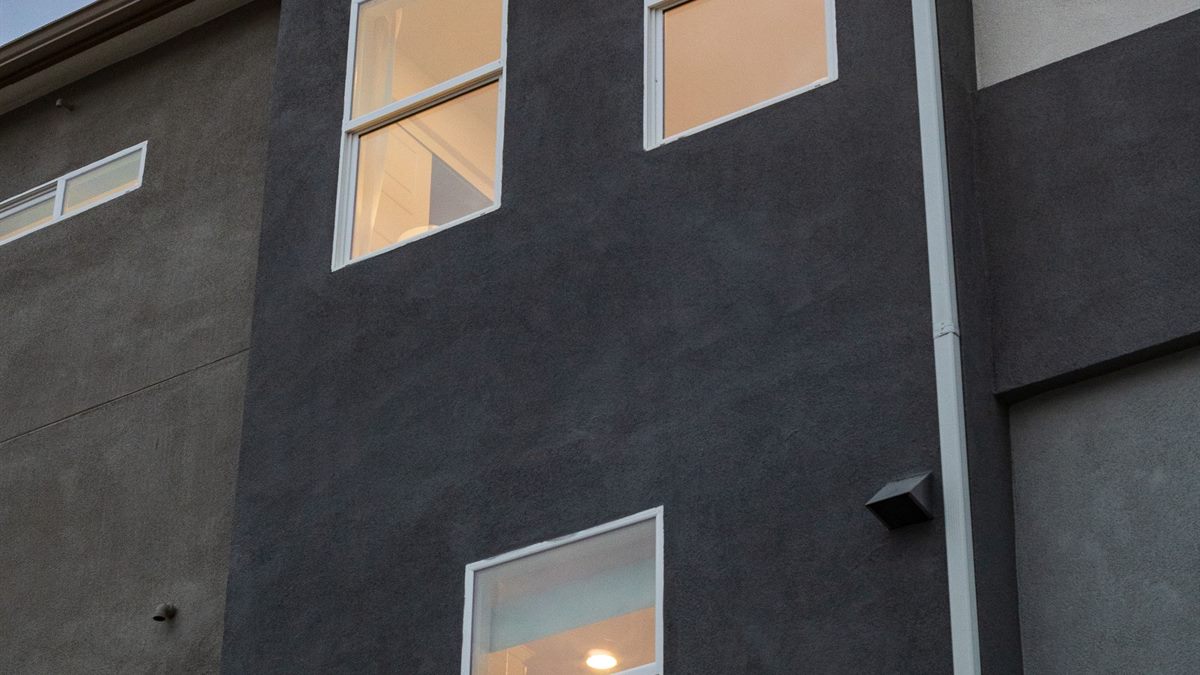
Start with Orientation and Shading
Before choosing a finish, look at where the sun hits the facade.
- West-facing walls receive the hottest afternoon sun and need the most shading.
- East-facing walls get strong morning light, which is easier to manage.
- North- and south-facing walls receive more even light throughout the day.
Shading options include deep roof overhangs, vertical fins, brise-soleil panels, and pergolas. Each reduces heat before it reaches the glass.
Roof Overhangs and Depth
A deep overhang is the most effective and most tropical of facade elements. It protects windows from rain and reduces direct sun.
- For one-story homes, an overhang of 80–120 centimeters is usually adequate.
- For two-story homes, the second-floor overhang can shade the floor below.
- Combine the overhang with a gutter system so water is directed away from the wall.
Overhangs also protect exterior paint and wood, extending maintenance intervals.
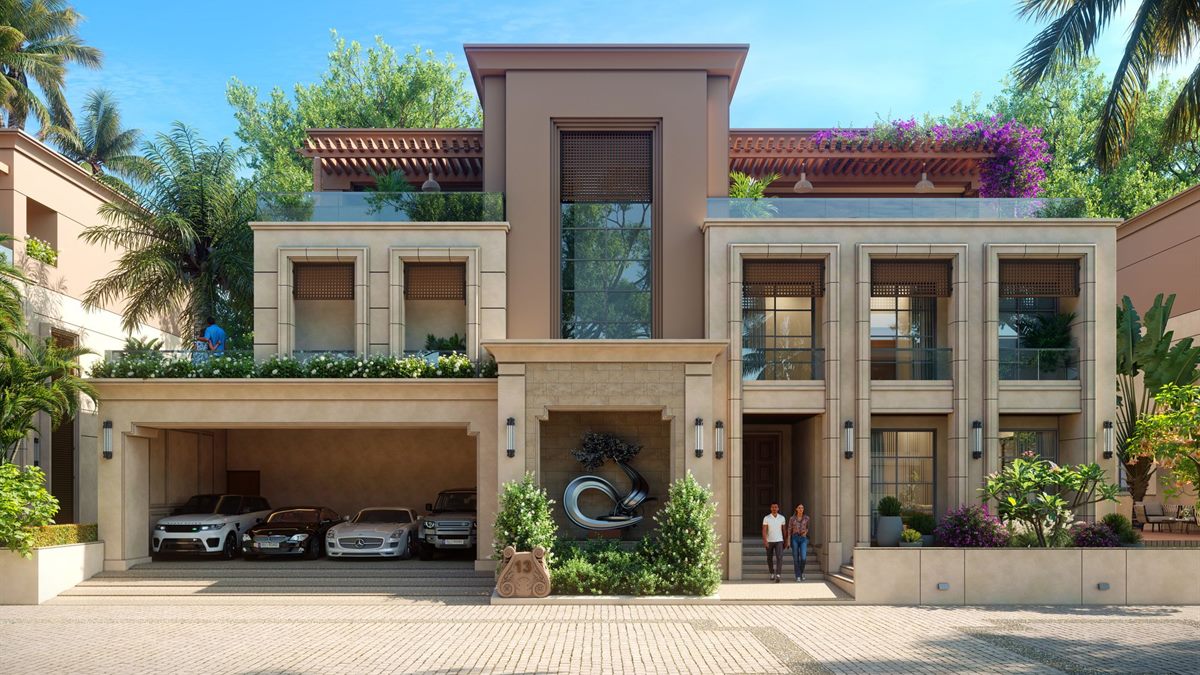
Materials That Suit a Tropical Climate
Material choice should balance appearance, heat, and maintenance.
- Exposed concrete or render: durable, but needs a weather-resistant coating.
- Natural stone: cool and textured, good for accent walls.
- Wood or wood-look panels: warm and modern, but needs treatment every few years.
- Metal fins and frames: slim and durable; choose powder-coated finishes.
- Large glass: good for light, but only with shading and low-e glazing where possible.
Avoid too many materials on one facade. Two or three is usually enough to create contrast without looking busy.
Color and Proportion
- Light base colors reflect heat and make the house look larger.
- Dark accents on frames, fins, or the entrance add depth.
- Vertical proportions make a narrow facade look taller.
- Horizontal lines make a wide facade look calmer.
Keep the entrance visually clear. A canopy, a change of material, or a small light is enough to mark it.
Exterior Lighting
- Wall washers to highlight texture after dark.
- Step lights for safety along the entrance path.
- Warm white light (2700K–3000K) to flatter stone and wood.
- Timers or sensors so lights are not left on all night.
Keep light levels low. Exterior lighting should reveal the facade, not flood it.
Plants as Part of the Facade
Plants soften hard materials and reduce heat around the entrance.
- Use tall plants at the corners to frame the house.
- Place low plants under windows so they do not block light.
- Choose species that suit the light and rainfall on that side of the house.
- Keep plants away from drainage and electrical points.
For plant selection and drainage, read our guide to minimalist tropical gardens for narrow lots. If the facade work is part of a bigger project, budget it within our renovation cost breakdown.
References
For tropical architecture references, browse ArchDaily’s tropical architecture archive and Dezeen. Adapt the ideas to local materials, labor, and climate.
Common Mistakes
- Large glass without shading, which turns the house into a greenhouse.
- Too many materials competing for attention.
- Ignoring drainage at the base of the wall.
- Choosing dark colors on the hottest facade.
- Planting tall trees too close to the foundation.
Conclusion
A modern tropical facade is a climate strategy as much as a style. Start with orientation and shade, choose two or three durable materials, keep proportions clear, and let plants do the softening. Done this way, the house looks good on day one and stays low-maintenance for years.
Frequently Asked Questions
What is a modern tropical facade?
A facade designed for a hot, humid climate using deep shading, durable materials, large openings with sun control, and plants as part of the composition.
How deep should a roof overhang be?
For one-story homes, 80 to 120 centimeters is usually sufficient. For two-story homes, the upper overhang can shade the floor below.
Which materials are best for a tropical facade?
Exposed concrete, natural stone, treated wood, and powder-coated metal all work. Limit the facade to two or three materials for a clean look.
Do large windows work in a tropical climate?
Only with shading and, ideally, low-e glass. Without sun control, large glass traps heat and increases cooling costs.