Cheap Home Repairs You Can Do Yourself
Fixes for walls, hinges, silicone joints, windows, and paint that cost little and take an afternoon.
Most small home problems do not need a contractor. A hole in the wall, a hinge that squeaks, or blackened silicone around a sink can be fixed in an afternoon with cheap materials.
This guide covers the repairs worth doing yourself, the tools involved, and the jobs that should be left to a professional.
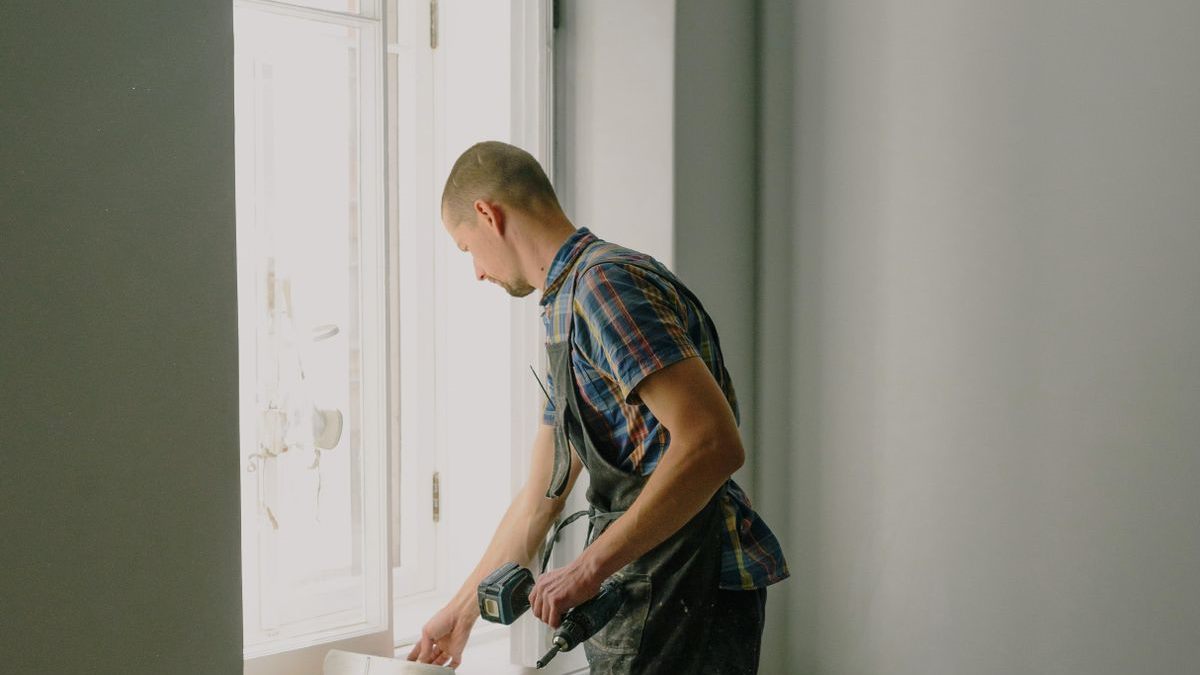
Tools Worth Keeping at Home
- Screwdriver set and a small hammer.
- Putty knife and sandpaper in two grits.
- Wall filler and a tube of silicone sealant with a gun.
- Painter’s tape and a small brush.
- Adjustable wrench and pliers.
- Flashlight and a tape measure.
These tools cost less than a single contractor visit and cover most minor repairs.
Patching Holes and Cracks in Walls
- Clean the area and remove loose paint.
- Fill the hole with wall filler using a putty knife.
- Let it dry completely, then sand smooth.
- Apply a second thin layer if the patch shrinks.
- Prime and repaint the area.
For larger holes, use a patch mesh before filling. Small cracks along corners are usually caused by movement and can be sealed with flexible filler.
Replacing Silicone Around Sinks and Showers
Blackened silicone is not only ugly; it can hide moisture behind tiles.
- Remove the old silicone with a scraper or silicone remover.
- Clean and dry the surface completely.
- Apply new anti-mold silicone with a gun.
- Smooth it with a silicone tool or a wet finger.
- Let it cure for 24 hours before using water.
Buy anti-mold silicone for wet areas. Cheap standard silicone turns black again within months.

Fixing Squeaky Doors and Hinges
- Tighten loose hinge screws with a screwdriver.
- If the screw hole is stripped, fill it with wood matchsticks and glue, then reinsert the screw.
- Apply a small amount of lubricant to the hinge pin.
- Check that the door is not rubbing against the frame; adjust the hinge if needed.
Stuck Windows and Sliding Doors
- Clean the track with a brush and vacuum.
- Check the rollers and replace them if worn.
- Apply silicone spray to the track, not cooking oil.
- Adjust the frame only if the window still sticks after cleaning.
Repainting Instead of Replacing
Repainting is the cheapest way to refresh a room. Prepare the surface, use primer where needed, and apply two thin coats.
For choosing colors before you repaint, see our guide to 2026 living room paint colors. If the repair is part of a larger project, budget it using our renovation cost breakdown.
What Not to DIY
- Electrical wiring and panel work.
- Gas lines and gas appliances.
- Structural changes such as removing walls or columns.
- Roof work at height.
- Anything involving asbestos or uncertain old materials.
These tasks carry real safety and legal risk. Hire a certified professional.
Reference Guides
For step-by-step repair references, see Family Handyman projects and This Old House. Adapt methods to local materials and building standards.
Common Mistakes
- Filling a wet wall without fixing the leak first.
- Painting over dirt or grease.
- Using standard silicone in wet areas instead of anti-mold silicone.
- Over-tightening screws and cracking the frame.
- Starting electrical work without experience.
Conclusion
Cheap home repairs are mostly about preparation and the right materials. Patching walls, replacing silicone, and fixing hinges take an afternoon and cost little. Know your limits: electrical, gas, structure, and roof work belong to professionals.
Frequently Asked Questions
What home repairs can I safely do myself?
Wall patching, repainting, replacing silicone, tightening hinges, and cleaning window tracks. Avoid electrical, gas, structural, and roof work.
How much does patching a wall cost?
Materials for a small patch cost very little: filler, sandpaper, primer, and paint. Most of the cost is time and drying.
Why does silicone turn black so quickly?
Standard silicone in a damp area grows mold. Use anti-mold silicone and make sure the surface is completely dry before applying it.
Can I fix a squeaky door myself?
Usually yes. Tighten the screws, lubricate the hinge pin, and check that the door is not rubbing the frame.